
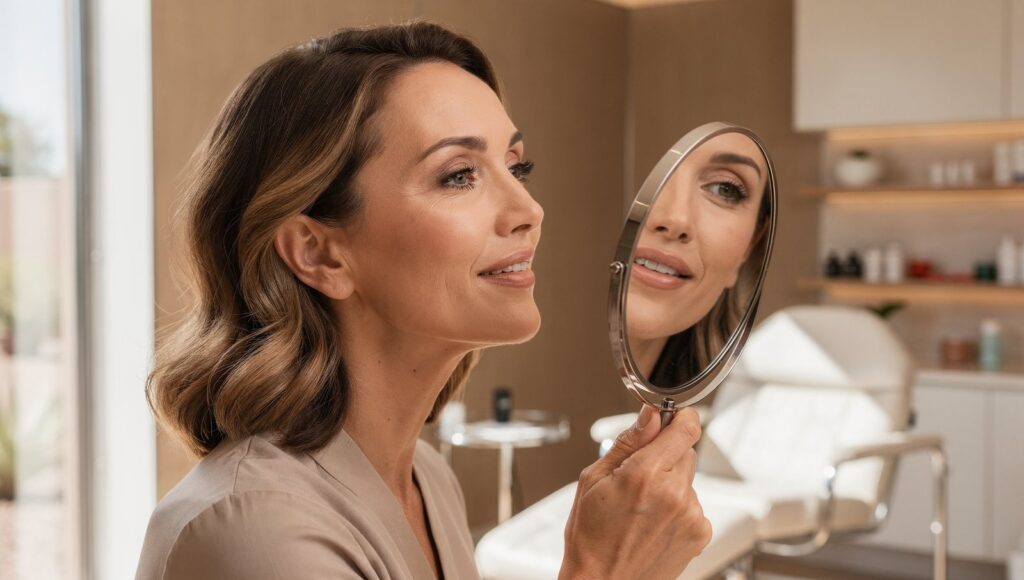
If brown patches on your cheeks or forehead will not fade no matter what you try, hyperpigmentation treatment Scottsdale works best in the cooler months, when the sun eases off and your skin has room to heal. Sonoran Skin Renewal is a med spa in Scottsdale, Arizona, led by Polly West, FNP-C, and fall is when we map out a real plan for pigment. Here is the honest part up front: some brown spots fade beautifully, but melasma is stubborn and partly hormonal, so anyone promising to erase it forever is not being straight with you. Here is what actually helps.
Sunspots Versus Melasma: Why the Difference Decides Everything
Not all brown patches are the same, and treating them as if they are is how people make melasma worse. Sun-driven hyperpigmentation, like flat sunspots and post-inflammatory marks from a breakout or irritation, sits near the surface and responds well to light and peels. Melasma is different: driven by a mix of hormones and UV, it runs deeper and tends to come back.
The American Academy of Dermatology notes that melasma can be triggered by sun exposure, pregnancy, stress, a medical condition, or medications like oral contraceptives, and that for some people it lasts for years. That is why Polly, as an FNP-C, looks at your history and not just the spot on your face before recommending anything.
Why Fall Is the Right Time to Treat Pigment in Scottsdale
Scottsdale summers are brutal on pigment. Heat and intense UV both feed melasma and darken any spot you are trying to fade, which is why treating in July often backfires. When the weather cools, you get fewer hours of harsh exposure and a better window for skin to recover between sessions.
Treating also means less Arizona sun damage at the exact moment your skin is sensitive from a peel or light treatment. Fall and winter let you start a plan and keep your results instead of fighting the sun the whole way. Our post on the best med spa treatments for Arizona skin covers how seasonal timing changes outcomes here.
Treatments That Fade Sunspots and Surface Pigment
For sun-driven brown spots that sit near the surface, the strongest tools are light and exfoliation. Lumecca IPL in Scottsdale uses intense pulsed light to target the pigment, drawing dark spots up so they darken and then flake away over a week or two. It is a good fit for discrete sunspots and redness on the right skin type.
A chemical peel Scottsdale option works differently, lifting off damaged surface cells to even out tone and texture together. If you are weighing the two, our breakdown of Lumecca IPL versus a chemical peel explains which suits which problem. For deeper textural damage layered under the pigment, the Solaria CO2 fractional laser resurfaces more aggressively, though it is rarely a first move for melasma.
Treating Melasma: Gentler, Slower, and Built to Manage
Melasma needs a lighter hand. Aggressive lasers and heat can flare it, so the smart approach is patience: strict daily sun protection, gentle topical lightening agents, and only carefully chosen in-office treatments. The goal is to fade and manage it, not to chase a cure that does not exist.
Sun protection is the foundation, full stop. The AAD advises a broad-spectrum, water-resistant sunscreen of SPF 30 or higher every day, reapplied every two hours outdoors, plus a tinted sunscreen with iron oxide, because visible light can worsen melasma in a way that standard sunscreen alone does not block. Supportive options like exosome therapy can calm and support the skin barrier alongside a pigment plan, and our skin rejuvenation overview shows how these pieces fit together.
How to Choose the Right Plan for Your Skin
The right starting point depends on the kind of pigment, your skin tone, and how much downtime you can take. Flat sunspots on lighter skin often clear quickly with IPL. Uneven tone and texture may do better with a peel. Melasma calls for the gentle route and a long view, full stop.
Skin tone is the part people skip. Some light-based treatments are not safe for deeper or recently tanned skin, which is common after an Arizona summer, and the wrong one on melasma can leave you darker than you started. Provider judgment matters most here. Polly matches the treatment to your actual skin and history, not to a menu. Book a consultation and we will tell you honestly which path fits.
What Pigment Treatment Costs in Scottsdale
Pricing depends on the treatment, the size of the area, and how many sessions you need. A single IPL or peel session costs less than a course of resurfacing, but stubborn pigment usually takes a short series to clear, so the per-session price is only part of the picture.
Melasma is its own budgeting conversation, because it is ongoing care rather than a one-time fix. We give exact numbers at your consultation and tell you when one good session is enough versus when a managed plan makes more sense. The point is a clear, honest result, not a cart of treatments you do not need.
Protecting Your Results Through an Arizona Winter
Fading pigment is only half the work. Skip daily sun protection and the same UV that caused the spots brings them back, fast with melasma. Daily broad-spectrum SPF is the single most useful habit, even in December, because Scottsdale sun does not take the winter off.
We send every patient home with a realistic routine: the right sunscreen, a tinted formula for melasma, when to reapply, and the gentle products that will not flare your skin. The Skin Cancer Foundation points out that uneven pigmentation and dark patches are among the visible signs of cumulative sun exposure, so protecting the result you paid for is how you fade pigment once instead of every year. For more on undoing UV damage, see our guide to sun damage repair in Scottsdale.
Frequently Asked Questions
How much does hyperpigmentation treatment cost in Scottsdale?
It depends on the treatment and how many sessions you need. A single IPL or peel session costs less than full resurfacing, and stubborn pigment may need a short series. Melasma is ongoing care rather than a one-time fix. We give exact pricing at your consultation, so no surprises.
Can melasma be cured?
No, and anyone who tells you otherwise is overpromising. Melasma is partly hormonal and chronic, so the honest goal is to fade it and manage it with gentle treatment and strict daily sun protection. Many patients keep it well under control for years that way.
Is IPL safe for melasma?
Not always. IPL is excellent for sunspots, but heat and aggressive light can flare melasma and sometimes make it darker. That is why Polly assesses your skin first and often chooses a gentler route for melasma rather than reaching for a laser.
Is fall really a better time to start than summer?
Yes. Cooler months mean less harsh UV while your skin heals, which lowers the risk of pigment darkening after treatment. Start in fall and you walk into the new year with more even skin. Book a consultation online or call us.
Ready to Get Started?
If brown patches have you frustrated, the cooler months are the right time to start, and it begins with an honest look at whether you are dealing with sunspots or melasma at Sonoran Skin Renewal.
Book a consultation or call us at (480) 808-8499.
Sources
- American Academy of Dermatology — Melasma: Self-care (triggers, chronicity, sunscreen and tinted iron-oxide guidance)
- NIH / PMC — The Role of Sunscreen in Melasma and Postinflammatory Hyperpigmentation (visible light worsens melasma)
- Skin Cancer Foundation — Surprising Signs of Sun Damage (uneven pigmentation and dark patches from UV)